Kindycube
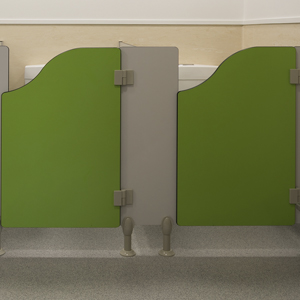
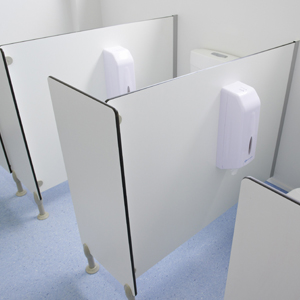
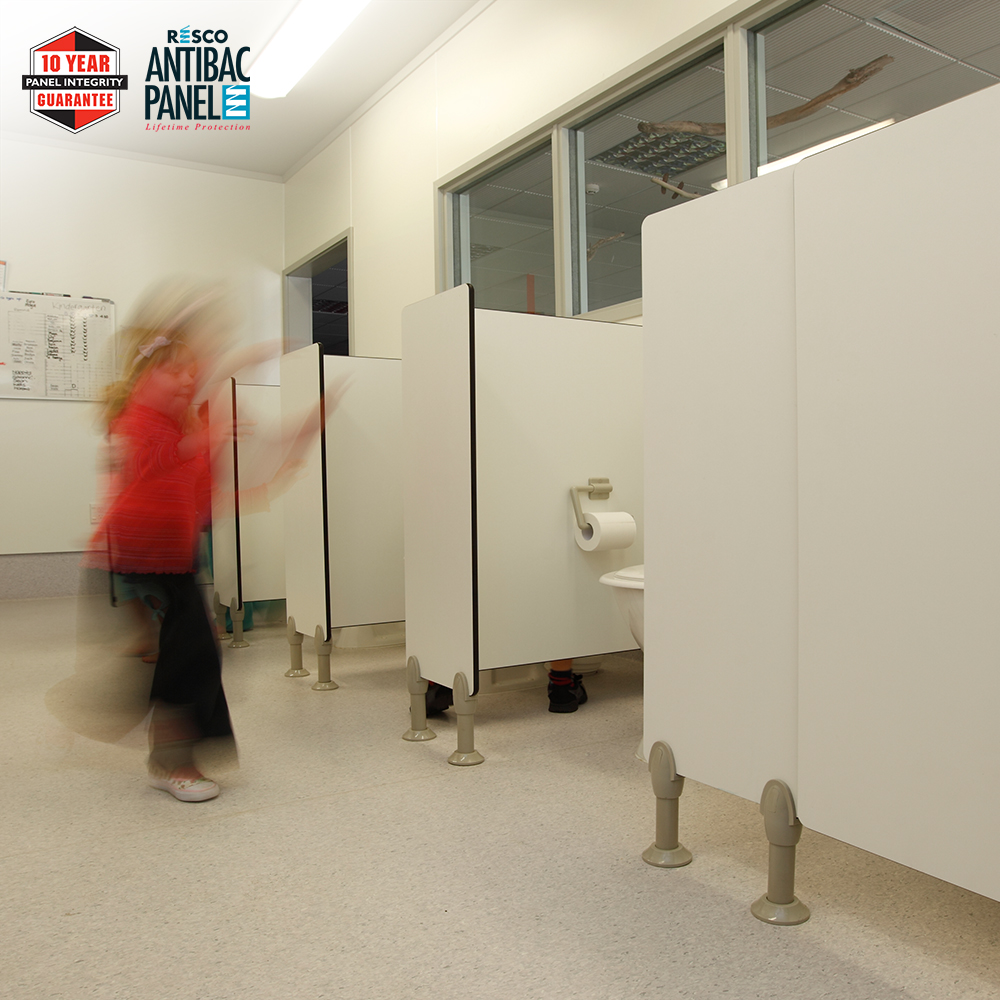
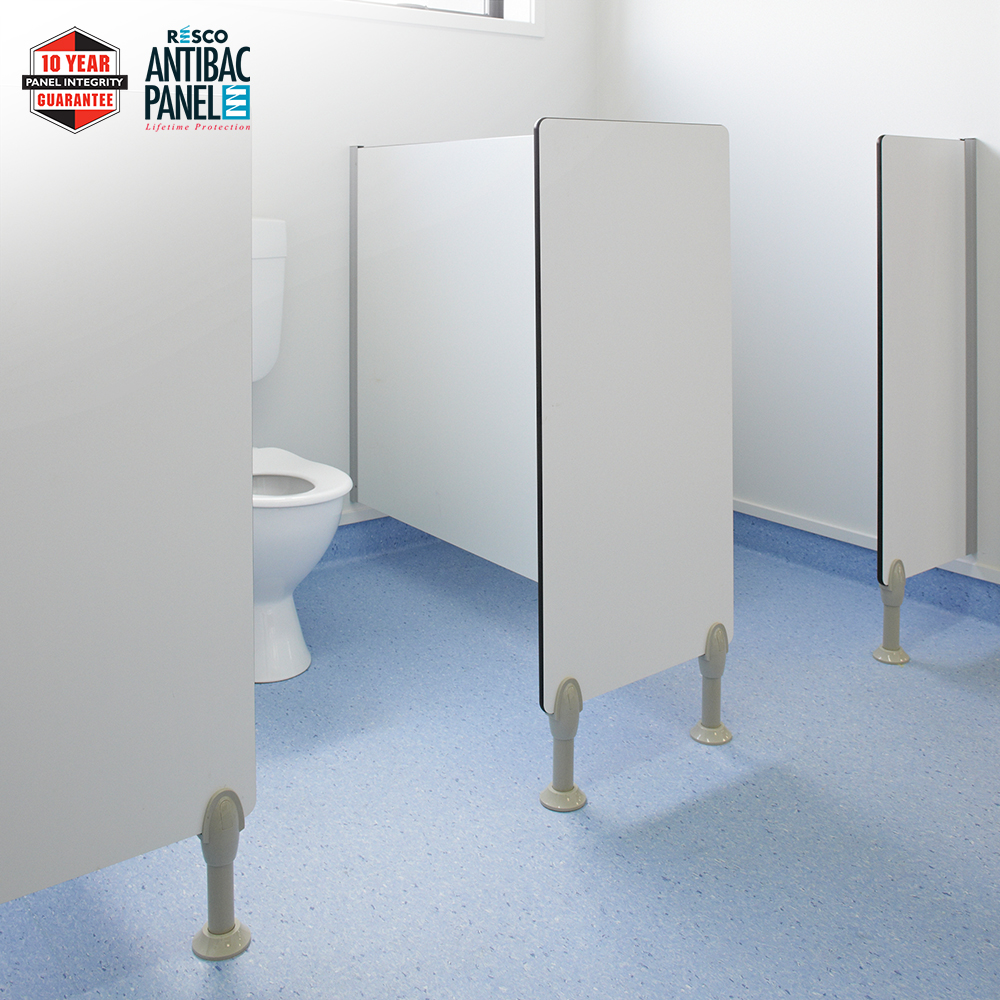
Series 5000

Specifications

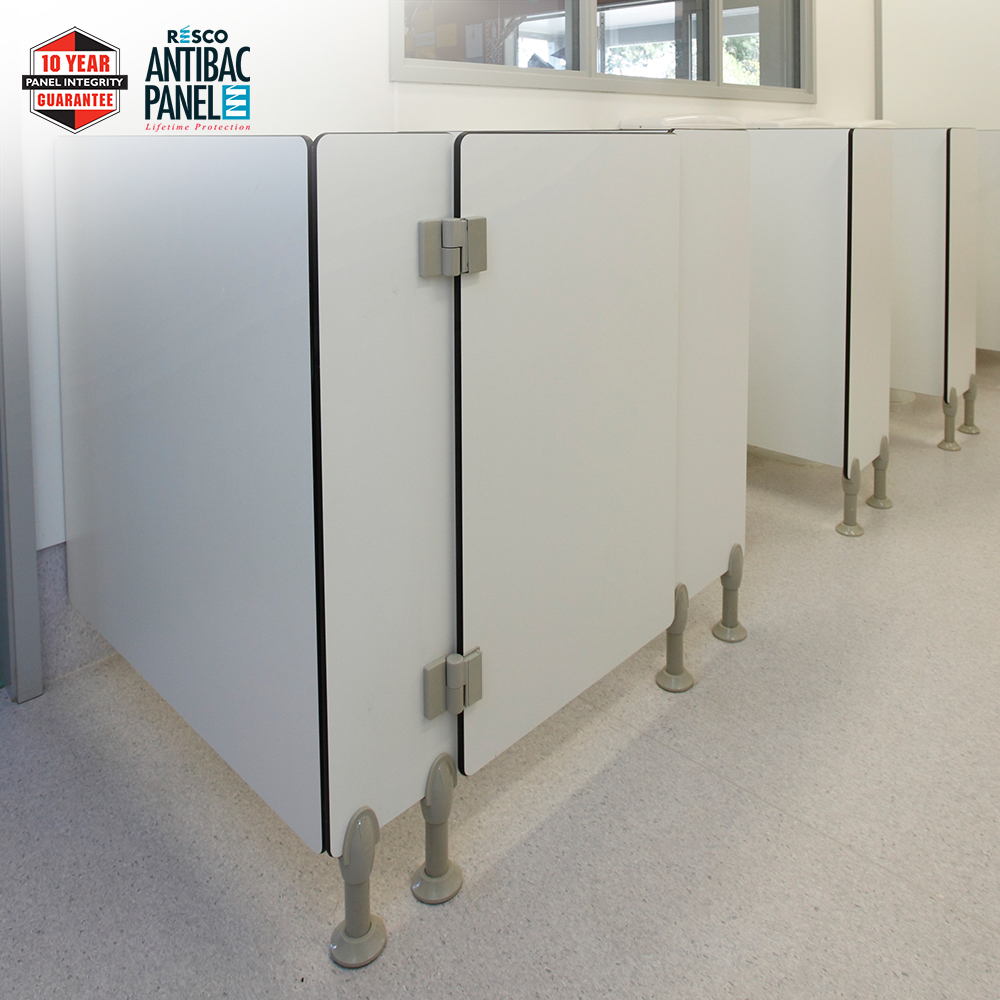
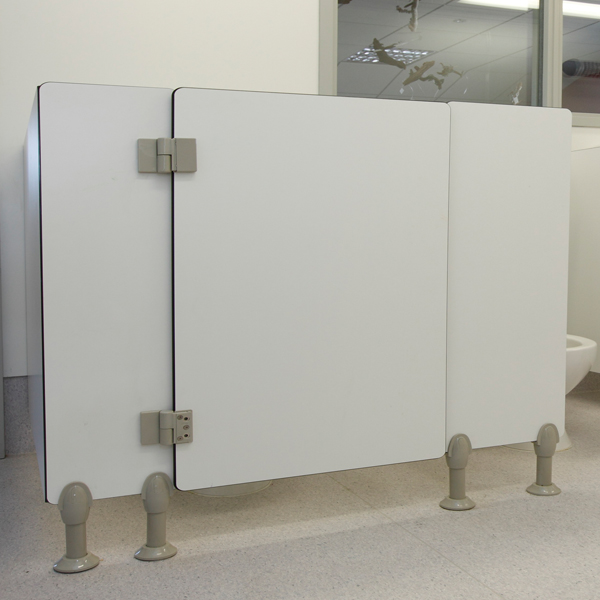
  • 13mm prefinished Compact doors & partitions
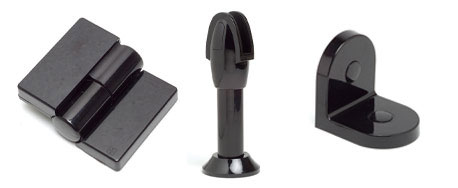
  • Grey coloured nylon hinges for self-closing doors
  • Grey coloured nylon adjustable pedestals
  • Grey coloured nylon fixing-brackets & toilet-roll-holders
  • Partition height: 1050 mm high
  • Partition width: between 800 - 850 mm wide
  • Partition depth: 1200, 1400 or 1600 mm deep

Features

  • Dimensions allow for child's privacy under adult supervision
  • All door & partition edges feature a smooth half-round finish
  • Self-closing doors close softly without locking
  • The impervious panel material and lack of dirt-traps, allow for the ultimate hygienic and easy to clean environment
  • Modular kitset easy to install

Benefits

  • Easy to clean panel material resisting permanent marker & crayon stains and paint
  • Resists the rumble and tumble of pre-school-kids
  • Modular system can be altered, extended or removed as required over time
KindycubePanel Colours

Maica

This is our stock colour range. Please note that M33302 - Cocoa woodgrain was formerly known as Dark woodgrain.

M00436 CARAMEL WOODGRAIN CARAMEL WOODGRAIN
M32901 CHOCOLATE WOODGRAIN CHOCOLATE WOODGRAIN
M01993 CREAM CREAM
M32702 LATTé WOODGRAIN LATTé WOODGRAIN
M20103 LIGHT BRUSHED METAL LIGHT BRUSHED METAL
M33301 TOFFEE WOODGRAIN TOFFEE WOODGRAIN
M33302 Cocoa Woodgrain Cocoa Woodgrain
M20100 Dark Brushed Metal Dark Brushed Metal
M01034 GREY GREY
M20102 Grey Speckled Grey Speckled
M01835 OFF-WHITE OFF-WHITE
M01597 WHITE WHITE
KindycubeAluminium Colours
KindycubeCleaning Instructions

Cleaning and Maintenance of Compact Laminate

Compact laminate is engineered to last for many years. We provide a 10 year guarantee on panel integrity. It is resistant to everyday wear and tear but needs some attention for harsh conditions and staining.

Never use any of the following on Compact Laminate

  • Abrasive cleaners such as Jif Cream Cleanser, Ajax (powder or liquid), Chemco, Brasso, Mr. Muscle oven cleaner, Scrub free.
  • Neat Janola or other equivalent brands of bleaches.
  • Scourer pads, Wire wool or Sandpaper.
  • Any strong mineral acid such as sulphuric acid, Battery acid, hydrochloric acid, nitric acid or phosphoric acid.
  • Any product containing strong mineral acids such as commercial toilet cleaners, grout removers, descalants, rust removers, etc.
  • Care must be taken where cleaning agents or solvents are highly acidic or alkaline as these may permanently damage the surface.

Other Tips:

  • In harsh environments (e.g. coastal), the use of CRC or equivalent on hinges and indicator bolts is recommended.
  • An occasional re-finish of the exposed edges with an "off the shelf" wood-polish will rejuvenate the original polished seen edges.


LIGHT/RECENT MARKS
Dust, Dirt, Dust & Grease Mixture, Pencil Use towels, soft, clean cloths (dry or damp), sponge or similar. After using damp cloth wipe down with absorbent paper towels
Chalk residue, Chalk rims (water rims), Rust
Coffee, Tea, Fruit juice, Sugar Solutions
Grease, Oil finger marks, Felt pen, Marker pen, Ball-point pen, Nicotine deposits, Tea leaves, Rubber marks
Wax residue, Candle grease, Wax Crayon
Lipstick, Shoe polish, Floor polish, Wax polish
Bacteriological stains, Soap residues, Skin excretions, Germs, Blood, Vomit, Urine
Dark patches appearing after cleaning with solvents
Water colours, Corrosives, Dispersed dyes, Water soluble adhesives
Solvents containing varnishes dyes and adhesives, Varnish residues, Varnish sprays, Colour sprays, Marking inks Organic solvents
Dual constituent varnishes & adhesives, Synthetic resins Remove immediately using water or organic solvent
Silicone sealants, Furniture polish Rub off dry, Use silicone remover


NORMAL SOILING OF LONGER DURATION
Dust, Dirt, Dust & Grease Mixture, Pencil   Use clean hot water, clean cloths or towels, soft sponge or brush (i.e. nylon brush). Use a non-abrasive cleaning agent, washing powder (heavy duty detergent). Liquid soap or hard soap. Remove the dirt with a solution of cleaning agent or let it soak depending on the degree of soiling then wash off with clean water or glass cleaner. Wipe repeatedly if necessary. Remove all traces of cleaning agent to prevent streaks developing. With clean, absorbent cloths (preferably paper towels) wipe the surface dry. Change cloths frequently.
Chalk residue, Chalk rims (water rims), Rust  
Coffee, Tea, Fruit juice, Sugar Solutions Organic solvents e.g. acetone, spirits, petrol, trichloroethylene, MEK, Nail varnish removerCarefully remove wax or paraffin by hand. Avoid scrapers! Use plastic or wooden spatulas. Remove any residue using absorbent paper and flat iron.
Grease, Oil finger marks, Felt pen, Marker pen, Ball-point pen, Nicotine deposits, Tea leaves, Rubber marks
Wax residue, Candle grease, Wax Crayon
Lipstick, Shoe polish, Floor polish, Wax polish Can be steamed cleaned. Disinfect as appropriate.
Bacteriological stains, Soap residues, Skin excretions, Germs, Blood, Vomit, Urine  
Dark patches appearing after cleaning with solvents Water or organic solvent
Water colours, Corrosives, Dispersed dyes, Water soluble adhesives  
Solvents containing varnishes dyes and adhesives, Varnish residues, Varnish sprays, Colour sprays, Marking inks Organic solvents e.g. Acetone spirits, petrol, trichloroethylene, MEK.
Dual constituent varnishes & adhesives, Synthetic resins Cleaning is possible only before hardening takes place. Remove at once after contact using water or organic solvent. Note: When using adhesive or varnishes in manufacturing, consultation with the makers is recommended to ensure use of the best suited cleaning agents for removing soiling which might occur during fabrication.
Silicone sealants, Furniture polish Use a silicone remover


HARD STUBBORN MARKS AND OLD STAINS
Dust, Dirt, Dust & Grease Mixture, Pencil Soak dirt overnight in washing up liquid or solution of washing powder in water. Then use liquid detergent in conjunction with a fine cutting/polishing compound. Gentle bleach may be used, but with great caution.Note: use liquid detergent, cutting/polishing compound or bleach as seldom as possible.Certain Chalk agents may be removed by an acidic cleaning agent (e.g. 10% acetic or citric acid).
Chalk residue, Chalk rims (water rims), Rust

Coffee, Tea, Fruit juice, Sugar Solutions

Grease, Oil finger marks, Felt pen, Marker pen, Ball-point pen, Nicotine deposits, Tea leaves, Rubber marks
Wax residue, Candle grease, Wax Crayon
Lipstick, Shoe polish, Floor polish, Wax polish
Bacteriological stains, Soap residues, Skin excretions, Germs, Blood, Vomit, Urine
Dark patches appearing after cleaning with solvents Soften with water or organic solvent, then peel or pull off.Colour residues can sometimes be removed by hand after hardening.
Water colours, Corrosives, Dispersed dyes, Water soluble adhesives
Solvents containing varnishes dyes and adhesives, Varnish residues, Varnish sprays, Colour sprays, Marking inks No cleaning possible. Residues of condensation adhesives or reagent adhesives can no longer be removed.
Dual constituent varnishes & adhesives, Synthetic resins
Silicone sealants, Furniture polish